
How to Reduce Garage Door Noise: Expert Tips from Popular Garage Doors Repair in Princeton, NJ

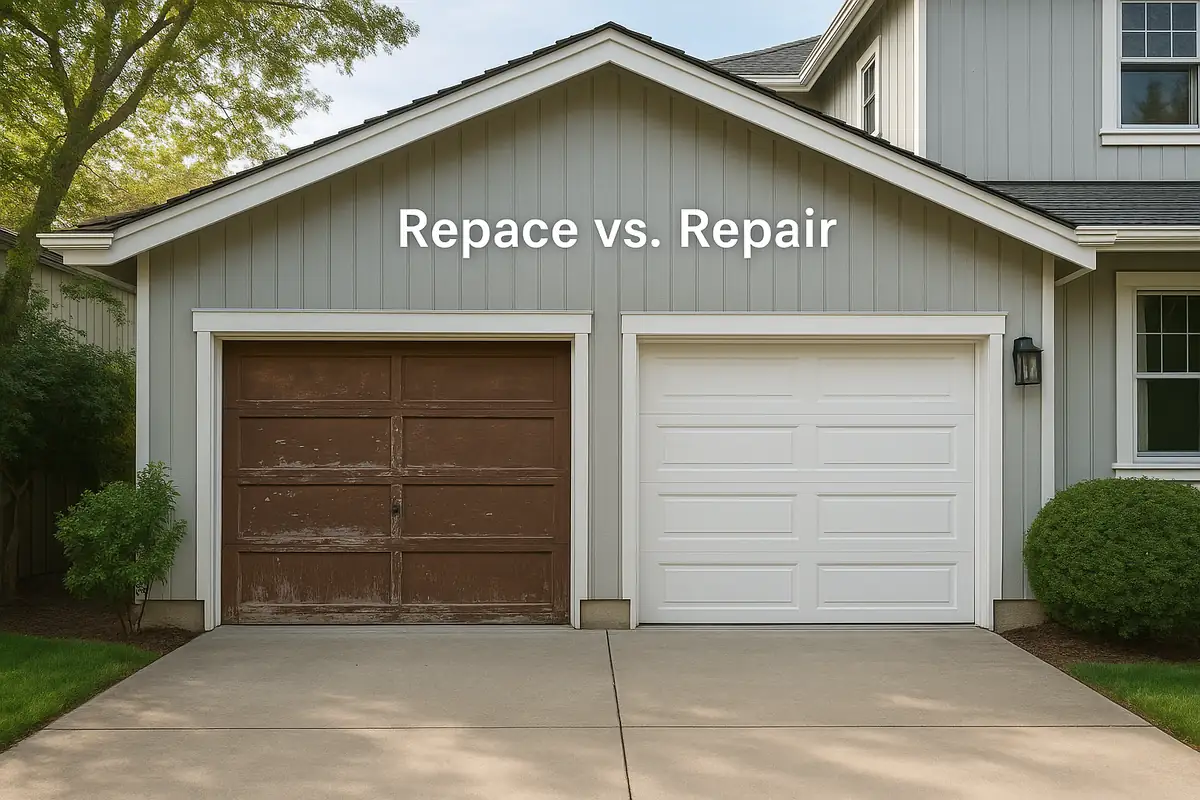
Understanding the Causes of Garage Door Noise
Garage doors play a crucial role in the functionality of your home, but they can also be a significant source of noise. Understanding the causes of this noise is the first step in finding effective solutions.
Common Sources of Noise
- Track Misalignment: If the garage door tracks are misaligned, the door may produce loud scraping or grinding sounds.
- Worn Out Rollers: Older or damaged rollers can create a rickety sound when the door opens or closes.
- Loose Hardware: Nuts, bolts, and screws that have become loose can lead to rattling noises during operation.
- Lubrication Issues: Lack of lubrication can cause parts to rub together, creating squeaks and creaks.
- Spring Problems: Springs that are worn out or out of balance can result in loud popping or banging sounds.
Importance of Reducing Noise
Reducing noise from your garage door is not just about comfort; it can also improve the overall quality of life in your home. The following are some important reasons to consider:
Enhanced Comfort
Excessive noise can be distracting and disruptive, especially if your garage is located next to living areas. Reducing this noise can create a more peaceful environment.
Increased Property Value
A well-maintained, quiet garage door can enhance the appeal of your home, making it more attractive to potential buyers.
Practical Tips to Reduce Garage Door Noise
Now that you understand the causes and importance of reducing garage door noise, let’s explore some practical strategies to achieve a quieter door.
1. Inspect and Tighten Hardware
Start by inspecting all the hardware on your garage door. Over time, nuts and bolts can loosen, leading to noise. Follow these steps:
- Use a socket wrench to tighten all bolts and nuts.
- Check the hinges and brackets for any signs of wear.
- Replace any corroded or damaged hardware.
2. Lubricate Moving Parts
Proper lubrication is essential for a quiet garage door. Follow these tips:
- Use a high-quality garage door lubricant, such as silicone spray or lithium grease.
- Apply lubricant to hinges, rollers, tracks, and springs.
- Wipe away any excess lubricant to prevent buildup.
3. Upgrade Rollers
Consider replacing your metal rollers with nylon ones. Nylon rollers are quieter and require less maintenance. Here’s how to upgrade:
- Purchase high-quality nylon rollers that fit your garage door.
- Remove the old rollers by unscrewing them from the door.
- Install the new nylon rollers, ensuring they are securely fastened.
4. Insulate Your Garage Door
Insulating your garage door not only reduces noise but also improves energy efficiency. You can do this by:
- Purchasing an insulation kit designed for garage doors.
- Installing foam board or reflective insulation panels on the door.
- Sealing any gaps or cracks where noise might escape.
5. Use Soundproofing Materials
If noise reduction is a significant concern, consider adding soundproofing materials:
- Acoustic panels can be applied to the wall adjacent to the garage door.
- Heavy curtains can help absorb sound if your garage is near living spaces.
Regular Maintenance: The Key to Noise Reduction
Regular maintenance is crucial to keep your garage door operating smoothly and quietly. Follow this simple maintenance schedule:
- Inspect your garage door every 6 months.
- Lubricate moving parts quarterly.
- Check hardware and tighten as needed.
When to Call a Professional
While many noise-reduction methods can be performed as DIY tasks, certain situations require the expertise of a professional. Consider calling Popular Garage Doors Repair in Princeton, NJ when:
- The noise persists despite your efforts to reduce it.
- You're unsure how to safely inspect or repair your garage door.
- You notice any signs of severe wear or damage, especially related to springs or tracks.
Conclusion
Reducing garage door noise is not only beneficial for your comfort but can also help increase your home’s value and appeal. By identifying the sources of noise and implementing the practical tips outlined above, you can enjoy a quieter garage door. For professional assistance to ensure your garage door remains in top shape, reach out to Popular Garage Doors Repair in Princeton, NJ, today!
Explore More Resources
Related Articles
- How to Extend the Life of Your Garage Door: Practical Tips from Popular Garage Doors Repair in Princeton, NJ
- Garage Door Automation and Smart Home Integration: Enhance Your Home with Popular Garage Doors Repair
- Understanding Different Garage Door Materials: A Comprehensive Guide to Garage Door Repair in Princeton, NJ
Service Areas
We proudly serve Princeton, Penns Neck, Cedar Grove, Coxs Corner, Kingston and more areas.
Our Services
Professional garage door repair, spring repair, opener installation and more. View all services →

How to Extend the Life of Your Garage Door: Practical Tips from Popular Garage Doors Repair in Princeton, NJ
Garage Door Automation and Smart Home Integration: Enhance Your Home with Popular Garage Doors Repair